Custom Industrial Catch Basins, Fabricated or Poured in Place
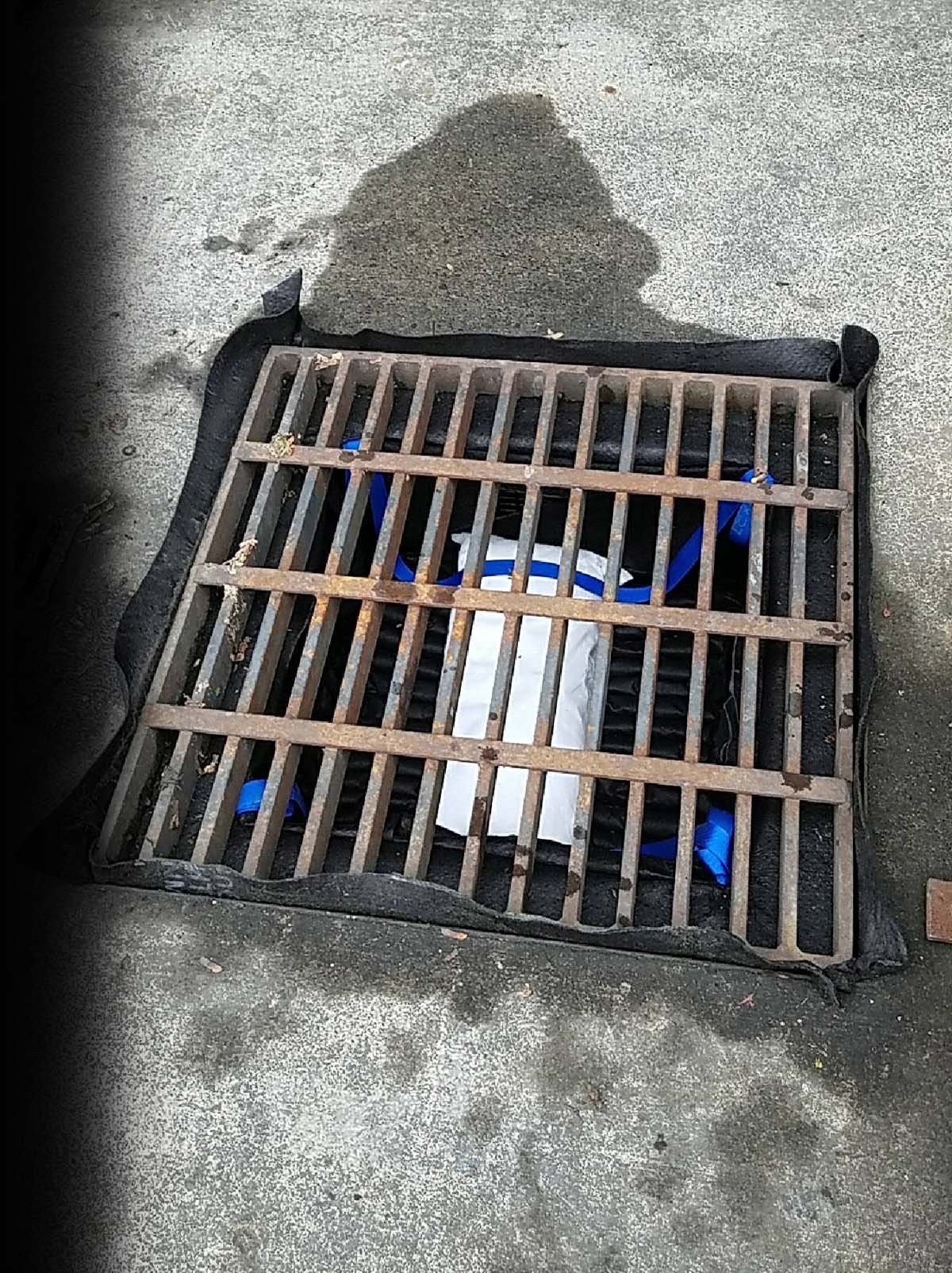
Gullywasher designs, fabricates in-shop or casts in place on site, installs and maintains catch basins that precast can’t fit. That covers odd footprints, tie-ins to old lines, chemical runoff, forklift and truck traffic, and basins squeezed in around equipment that isn’t moving. We build in steel, stainless, fiberglass and concrete, rate each basin for the traffic on top of it, and size it for a filter insert from day one. That way the basin you install this year is still the right one when your permit tightens.
industrial & commercial catch basins · traffic-rated & parking-lot basins · steel, stainless & fiberglass · cast-in-place construction
send us your site drawings standard catch basin sizesWhen Precast Doesn’t Work
Precast concrete is the right answer for most new catch basins: it’s quick to set, cheap and easy to inspect. When it fits the site, we install it. Industrial sites, though, are where catalog basins run out of options. These are the five situations where we end up designing a custom industrial catch basin instead:
Odd Footprints
Long trench-style inlets, L-shaped low points, shallow cover over utilities or tight easements where a standard box won’t fit.
Tie-Ins to Existing Lines
Old storm lines at odd angles and elevations, or several inlets that have to meet in one structure, which no precast knockout lines up with.
Chemical Exposure
Plating, metal finishing, chemical handling and wash-down areas where acids, caustics, solvents or hot water eat through bare concrete.
Heavy Traffic
Truck aprons, forklift lanes, container yards and loaded turning movements, where the grate, frame and walls all need a real load rating.
Retrofits Around Equipment
New drainage threaded between foundations, racking, process lines and buried utilities on a site that has to keep running.
Only Need an Insert?
If the basin is sound and you just need treatment, start with the right size filter insert.
catch basin insertsCast-in-Place, Onsite Construction
This is the work precast suppliers can’t do. When nothing off a truck will fit, we form and pour a cast-in-place catch basin on your site, built around the conditions in the ground:
- Any footprint and depth. We form to the excavation, not to a catalog size.
- Tie-ins at any angle or elevation, cast directly around existing pipe, with no field-cut knockouts to leak.
- Integral sumps, weirs and baffles for oil and sediment control, poured monolithically.
- Chemical-resistant linings applied before the basin goes into service.
- A ledge and sump formed to fit a filter insert and sample pan.
Cast-in-place also works well for retrofits. We can pour a new basin inside a failed one, or between foundations, without shutting down the operations around it. [Typical schedule: X days from pour to service.]
Traffic-Rated & Parking-Lot Catch Basins
A traffic rated catch basin is only as strong as its weakest part: grate, frame, walls or the soil around it. We rate all four for the heaviest wheel that will actually cross it. Here’s what the load classes mean in plain language:
Pedestrian
Walkways and landscaped areas. No vehicles, ever, including the landscaper’s truck.
Light Duty
Passenger cars and pickups at low speed. Fine for an office parking lot catch basin away from deliveries.
H-20 / HS-20
The AASHTO highway truck standard, 16,000 lb per wheel. Our baseline for drive aisles, loading docks and any commercial lot that sees delivery trucks.
Heavy Industrial
Forklifts with hard tires, container handlers and outriggers concentrate load beyond H-20. These get a project-specific design.
Turning traffic and braking load matter as much as weight. A grate at the bottom of a ramp takes a beating that the same grate in a straight aisle never sees. We also lock grates down where traffic would otherwise walk them out of the frame. [Confirm whether we stamp load-rating calcs in-house or through a partner engineer.]
Design → Fabricate → Install → Test
One team from the first site walk to the last flow test. Nobody hands your drawings to a supplier who has never seen the site.
1. Design
Site walk, flows, pollutants, traffic and tie-in elevations. We return a drawing for your review, or work from your engineer’s.
2. Fabricate
Steel, stainless or fiberglass built in the shop, or forms and rebar set on site for a cast-in-place pour.
3. Install
Locates, permits, excavation, set or pour, tie-ins, backfill and surface restoration, phased to keep your site running.
4. Test
Flow test, insert fit check and as-builts, so your O&M file and SWPPP are inspection-ready.
Need a standard precast basin set or a failed basin replaced? See catch basin installation & replacement.